This blog post is about the complete travel handbook on Hunza and adjacent areas in the region of Gilgit-Baltistan. Here we will be covering from everything from places to go, must visit historical sites, culture, where to stay and how to reach there, so read complete travel guide and make your trip memorable. If you want to end-to-end travel services of any level, call OR find out tour packages of Hunza by Pakistan Travel Places.
A comprehensive blog on Hunza Valley of Gilgit-Baltistan.
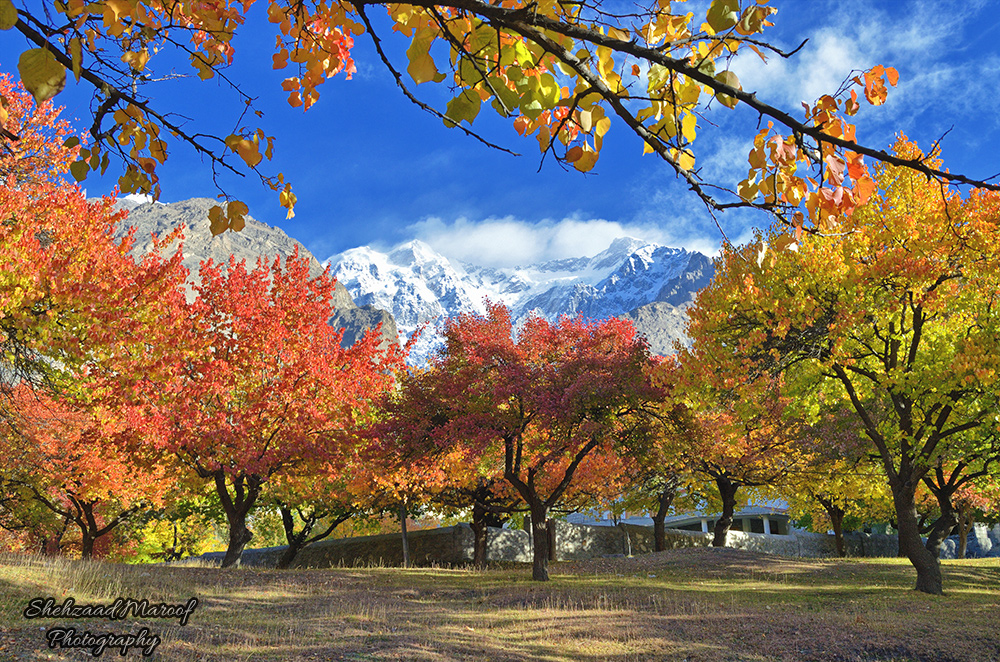
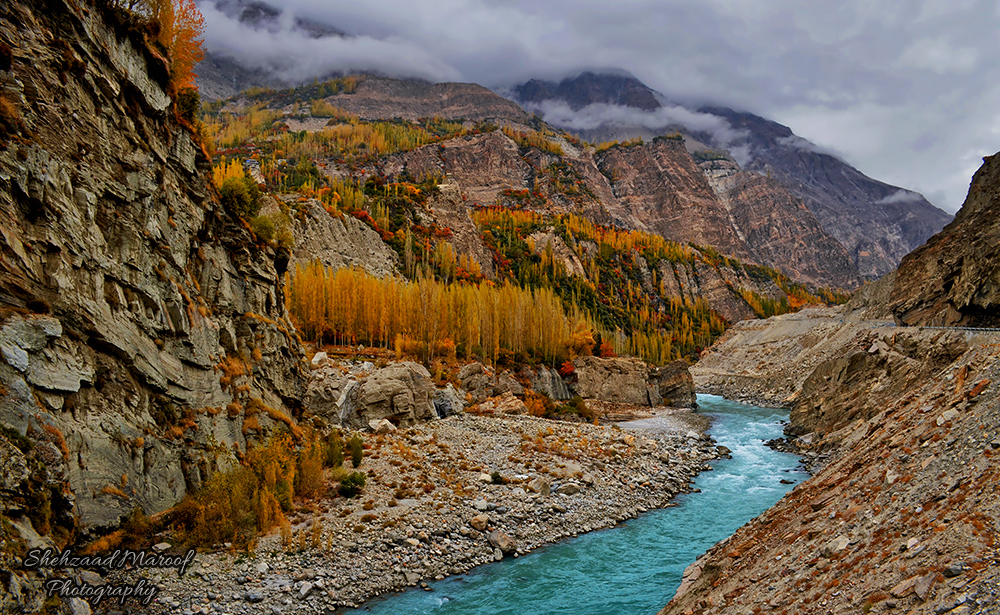
(Hunza Valley) – photo credited to Shehzaad Maroof
Hunza Valley: A view of Heaven on Earth
A gorgeous looking valley that is engulfed by the world’s most stunning mountain views and fabulous landscape located in the province of Gilgit-Baltistan is named as Hunza Valley. It is the Heaven on Earth where nature explores its all true colors, immersed with the fragrance of nature. The area is under the jurisdiction of Islamic Republic of Pakistan which is now becoming the primary hub for tourists who want to meet the nature at its true sense. Hunza is located at the extreme northern part of Pakistan, touching the border of China, Tajikistan and Afghanistan. Hunza valley is located 2,438 meters (8,000 feet) above the sea level. It is blessed not only with such beautiful spots to explore but also with the people who have such a beautiful heart that their hospitality and friendliness is never be forgotten.
Hunza had remained independent state ruled by its Mir (prince/ruler) for over 900 years until the British got control over it in 1890. However, after two months of the independence of Pakistan, Mir Muhammad Jamal Khan (the Mir of Hunza) has declared Hunza state as a part of Pakistan.
Tribes & Languages
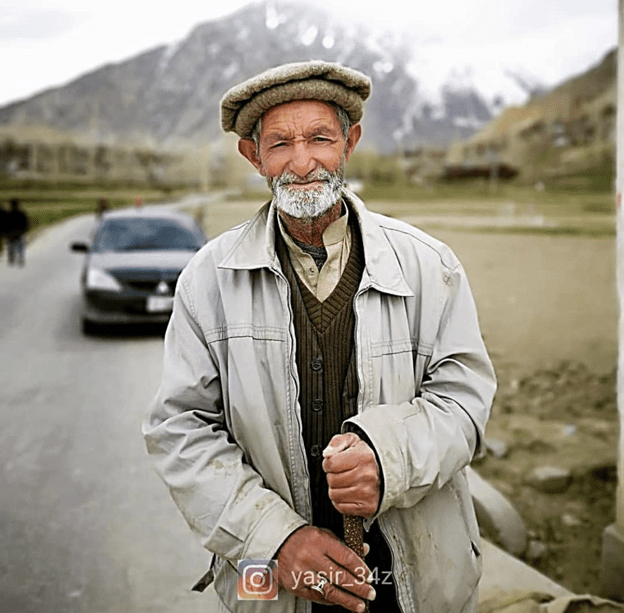
The Hunza tribes are mysterious for having longevity. Some health experts attribute this enigma to the unique diet plan and healthy routine of Hunza people. However, adopting those diet and routine plan has not proven much successful while living in other parts of the world. In fact, the secret of longevity is hidden inside the gifted environment and unique water which nature has blessed only to Hunza. Some decades ago, people of Hunza were commonly crossing 100 years of their age. However, modern civilization, having less dependency on nature, has significantly affected the lifestyle everywhere. Yet, some people are still there in Hunza who get such longevity without any serious health issues. They stay active and retain their traditional diets which eliminate the need to use chairlifts to travel from one height to the other.
(Hunza people) – photo credited to Yasir
Three languages are commonly spoken in Hunza namely: Burushaski, Wakhi, and Shina. However, people living in Hunza can understand English and Urdu quite well. With the highest literacy rate among the whole nation, Hunza has a literacy rate of 77% which is quite higher than the country average (57%) and even more than the literacy rate of Lahore (65%), which is known as the city of Colleges and Universities in Pakistan.
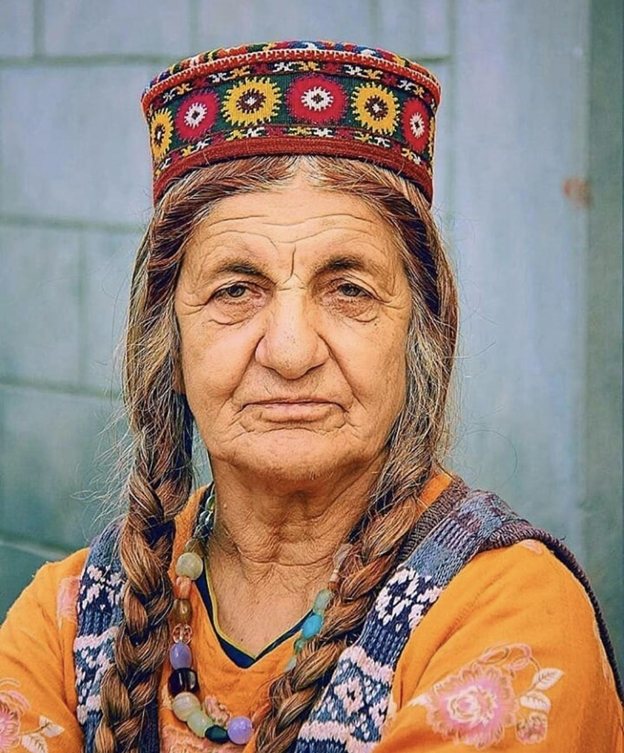
People who speak Wakhi are more abundant in the northern part of Hunza, that extends from shiskat to Khunjerab, near the borders of China and Tajikistan, while those who speak Shina are living in the southern part, from Khizerabad to Nasirabad. And, people who speak Burushaski are living on central part, from Murtazaabad to Attabad, Hunza. Few centuries ago, these people could have moved from Chilas, Gilgit, Chitral, Gizar and other areas of Pakistan.
(Hunza people) – general copyright
Routes to Hunza from Islamabad
Long way route (by road):
(Karakoram Highway) – photo credited to Shahzaad Maroof
If you want to go to Hunza by road directly from your city, it is not possible because there is only one route that you have to follow by road when coming to Hunza. The time is the biggest enemy when you are travelling to Hunza. It takes around 18 hours from Islamabad, when you are travelling by bus. Northern Areas Transport Corporation (NATCO) provides bus service from Islamabad to Gilgit three times a day. As the trip is long, so only night timings are available. From 7:00 PM to 9:00 PM, it travels after every hour. Trip for tourists are allocated only 9:00 PM timing. This is because some part of the Karakoram highway is not comfortable for tourists when travelling at night. So, the government of Pakistan has given a special favor for tourists to explore such a beautiful part of the world.
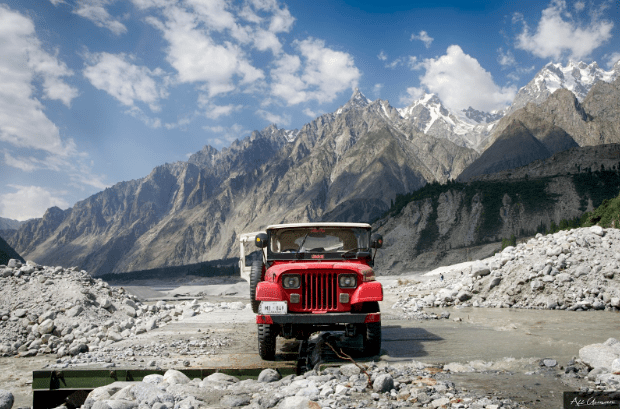
(Hunza) – photo credited to Ali Usman
Once you reach at Gilgit, you will find a couple of vans that will pick you in order to travel to Karimabad (the capital of Hunza district).
Short way route (by plane):
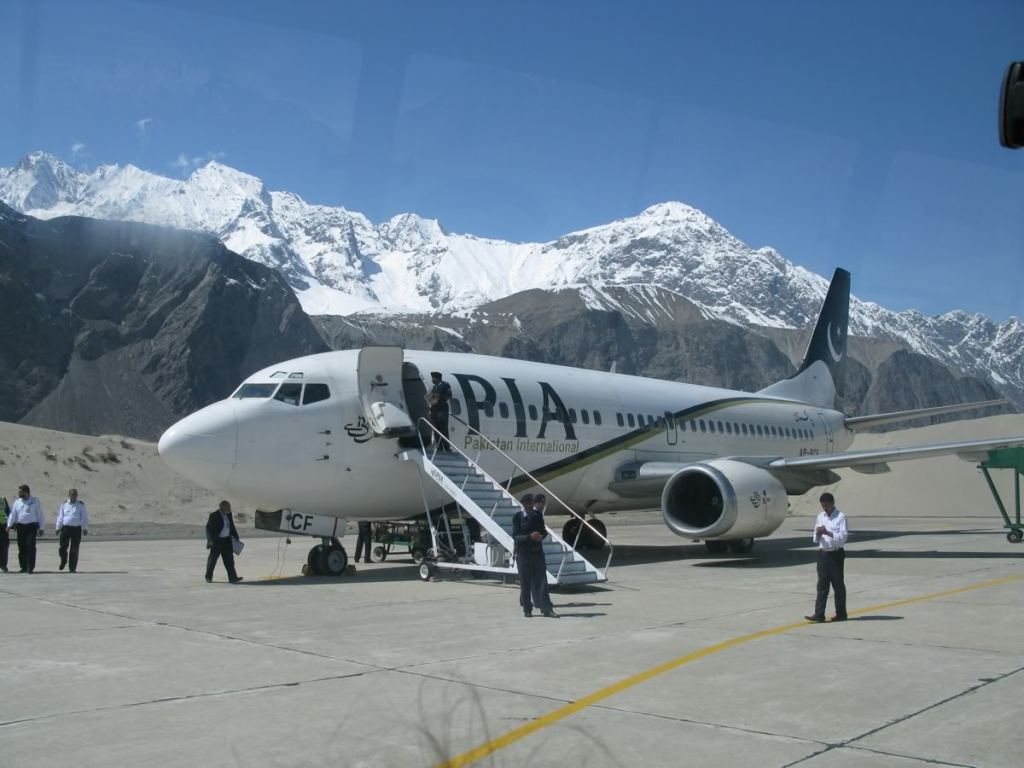
If you have a good budget but lacking time, you must opt for this route being the quickest way to reach Hunza valley provided that your flight wouldn’t delay or cancel, which is quite possible when travelling to Gilgit by air due to mercurial weather in mountain areas. Hence, this option is not reliable, but you should go ahead if you want to take a chance. Pakistan International Airline (PIA) travel twice a day from Islamabad to Gilgit.
(Gilgit-Baltistan) – general copyright
However, I would recommend you to have a backup plan and choose the first route (i.e. by bus) well in advance, in case your flight gets cancelled. Once, your flight will land on Gilgit, you may get a van that will take around 3 to 4 hours and drop you directly to Karimabad, which is the capital of Hunza district.
Prepare well for your journey to Hunza
As the weather is mostly cold throughout the season, Jackets, warm undergarments, trousers, joggers and woolen clothes are essential to bring along with you. Additionally, keep the following points in mind while preparing for your journey to Hunza:
Although, the bus may stop so you get some meals and have toilets, while on the way to Gilgit, you must take some snacks and water in case you get stuck somewhere due to some rare occasion of landslides or any other reason.
Take at least one pair of woolen socks, gloves and walking sticks that are useful for hiking.
Most importantly, you must take a couple of copies of your Passport, as there are several check posts on the way for public protection and security. If you want to have a good sleep throughout the night, you may give 8-10 copies of your passport to the driver who will manage to show your identity on your behalf without disturbing you.
Lakes & Water Streams
In addition to gorgeous mountains, Lakes & streams are main tourism hub in Hunza Valley. So, here’s some details of those Lakes:
Borith Lake: It is located in the northern part of Hunza in Gulmit near Gojal. Borith lake is around 2,600 meters (8,500 fee) above the sea level. You can drive to this lake via jeep which are abundant for tourists from Husseni village. Alternatively, around 3 hours trekking route is there that lead you directly to Ghulkin glacier from Ghulkin village. Hikers can follow the trekking route towards Borith Lake as far as the edge of the glacier, and return by the same route. The lake is located just 2km north of Ghulkin.
Attabad Lake: This lake was resulted from a massive landslide in 4th January, 2010 that blocked the Hunza River for five months, while creating the cause of death of 20 people. The water was spread over 19km of Karakoram highway and displaced hundreds of families and submerged couple of villages and orchards. The lake has reached 30km and has over 100 meters (400 feet) depth.
(Attabad lake) – photo credited to Nauman Malik
This whole disaster has resulted in an artificial lake, known as Attabad lake. It is located just 14km from Karimabad.
Mountains & Peaks
Rakaposhi: Rakaposhi is amongst the tallest Karakoram mountain range and has a height of 7,788 meters (25,550 ft) above the sea level. The name in the local language means “Snow Covered”. Another name of Rakaposhi is Dumani, which means “Moth of Mist” or “Mother of Clouds”. The height of this mountain is on the 27th rank in the world’s tallest mountain in the world. The climate here is more feasible than that of Himalayas. Rakaposhi was first time ascent in 1958 by a British expedition Mike Bank and Tom Patey. Both of them suffered frostbite after the successful ascent. Another climber slipped and was not succeeded but died on the way to climb this mountain. A tourist spot is located in Ghulmat town (Nagar Valley) and named as “Zero Point of Rakaposhi” is the nearest view point of this mountain. This mountain can be viewed clearly right from the base to the top. You should never miss the mountain view at sunrise at 6AM.
(Rakaposhi: The Mother of Mist) – photo credited to Nauman Malik
Some endangered species live nearby Rakaposhi that include snow leopards, brown bear, wolves and Marco Polo sheep.
Ultar Sar: It is a major peak in the Batura Muztagh, a Karakoram range, and is located in the southeasternmost. It is located 10km from northeast of Karimabad. It is 7,388 meter (24,239 ft) above the sea level and ranked 70th height peak in the world. Together with its strategic position in Batura Muztagh, with the Hunza River bending around it, Ultra Sar is striking peak and is among those peaks in the world that is most dangerous to climb.
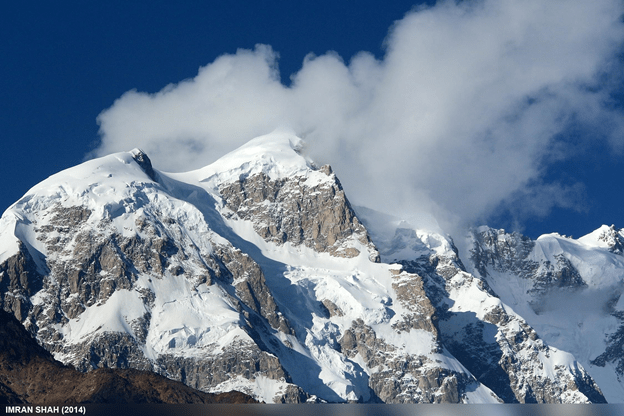
Bojahagur: It is another summit in the Batura Muztagh, subrange of Karakoram range.
(Bojahagur) – photo credited to Imran Shah
It’s high point is Ultar Sar. It is located 10km northeast of Karimabad.
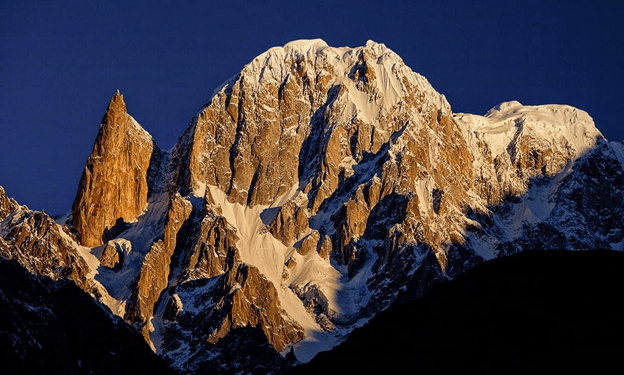
Hunza Peak: With a height of 6,270 meters (20,570 ft), Hunza Peak is located in the westernmost sub-range of the Karakoram range. The is seen together with the Ladyfinger Peak (known as Bublimating).
(Hunza peak) – general copyright
It is located to the southwest of Ultar Sar.
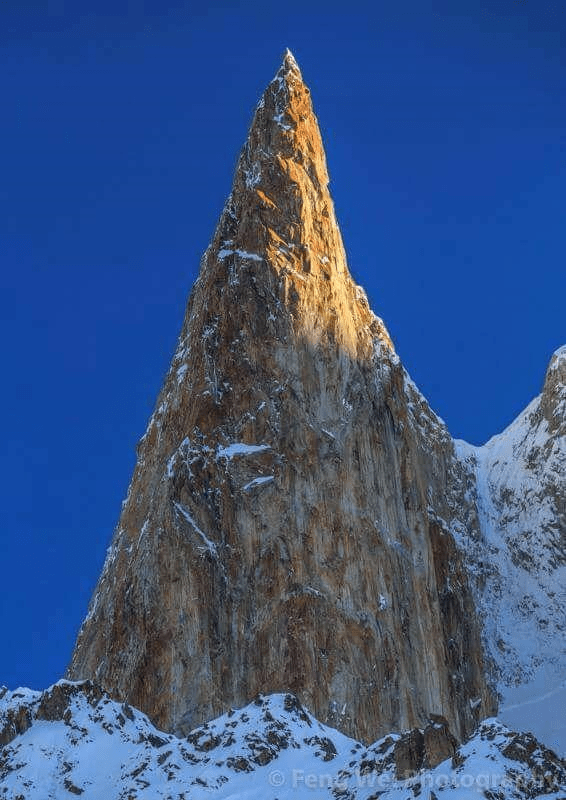
Ladyfinger: As the name implies, its highest point looks like needle, and looks similar to finger of lady. It is relatively snowless looks like brown crystal rock.
(Lady finger) – general copyright
Hotels & Restaurants
The most famous thing about Hunza is its traditional food, which is served at many restaurants in Karimabad market. The famous traditional foods that the local people eat are including: Sharbat, Muleda, Diram-fete, Davdo and many more. The speciality of these foods is that these are cooked with pure butter. As these foods are too expensive, so are cooked only on special occasions. There are several hotels and restaurants in Hunza, and each as its own taste and flavor.
Luxus Hunza: When you are looking to enjoy the luxury with the view of mountain and beautiful Attabad lake, Luxus Hunza is highly recommended restaurant. It is top rated restaurant and highly loved by majority of the visitors. The restaurant management provides celebrity treatment with world class services. Every room is attached to the balcony. This hotel is considered as 5-star hotel and charge around 15,500 per night for two adult guests. It provides the following additional services:
24/7 front desk
Garden and beautiful terrace view
Internet Wi-Fi facility
Private bathroom
Mountain and Attabad lake view
Picnic area
Sun deck
BBQ facility
Terrace, Garden and balcony
Game-room Hiking and fishing facilities
Free private parking
Breakfast in the room
TV including Kids channel
Books, DVD and music for kids
Airport shuttle
Soundproof rooms
And many more…
Hunza Serena inn: This hotel is situated in an area of six acres and is famous for glamorous view of Mount Rakaposhi, ancient Baltit Fort and Hunza river. It provides its guests with an awesome experience of style and beautiful tent with outdoor as well as indoor seating areas. It offers accommodation in tents with heating facilities as well as showers. While the dining is provided at Osho Marak Restaurant, which is regarded as the luxury restaurant of its kind. Hunza Serena Inn is regarded as a 3 star hotel. The cost of stay in this hotel is around PKR 15,000 per night and additional services include:
Seasonal BBQ and traditional entertainment
24/7 Business Centre
Internet access
TV with national and international channels
Currency Exchange facility
Room service
Valet
Laundry service
Doctor on call
Borith inn Hotel & Restaurant: It is another 3 star hotel, where smoking is never allowed in any rooms. Furthermore, parking lot is available to the car owners. Reception desk representative offers 24/7 service. Also, an entertainment staff is available to entertain guests. It usually charges PKR 8,000 per night stay. This restaurant provides the following services:
Free Parking service
Hiking and water sports facilities
BBQ and Kid meals
Breakfast in the room
Bike and Car (rent)
24/7 front desk
Currency Exchange
Garden, Sun Terrace and shared Kitchen
Entertainment Staff
Family rooms (non-smoking)
Retailers & Bazaars
Karimabad streets has more than 50 retail shops in its bazaar that provides convenience of things you need on a daily basis. The best thing that attracts tourists is the variety of precious minerals and gemstones. Majority of tourists always buy these precious gemstones and minerals that are original and native of this land. You should never forget to eat “Gayal” with local Muesli (local oats). Local Muesli is one of the tastiest breakfast foods ever that you will love. Almond, Walnuts, Apricot Seeds and Brown Flex seed is the specialty of Hunza valley. Additionally, it is worth trying to taste Mantu/Mantou , which is a Chinese-style meat and filled with wheat dumplings.
Rivers & Waterfalls
Hunza River: This is the main river of Hunza valley, and joins with Gilgit river and Naltar river. All these rivers fed by the glaciers and amalgamate into Indus river. The Hunza River passes through Karakoram range, and moves from north to south. The Karakoram Highway runs with the Hunza River and meet the Khunjerab River and eventually reach Khunjerab Pass near China border.
(Hunza River) – photo credited to Shahzaad Maroof
Hunza River was blocked for 5 months due to a massive landslide which took place in 2010. This lake is now called Attabad lake or Gojal lake, which has now exceeded 30km and has depth of around 400 feet. Hunza river is being adversely affected by climate changes.
Ancient Monuments
Keeping the oldest ever tradition and lifestyle, people of Hunza has maintained their ancient monuments that were built in the central part of Hunza. Baltit and Altit fort are some of the oldest monuments that signify the medieval regime of Hunza valley. At once, these were the homes for the king/prince of Hunza.
Baltit Fort: It is one of the ancient forts of the world that dates back to 700 years ago. The fort has been repaired and rebuilt several times in the course of its history. You can reach this fort on a jeep or by walking as it is situated at a significant height. From its terrace, you can view the whole Karimabad with an eagle’s eye view.
Altit Fort: It is the oldest monument in whole Gilgit-Baltistan and an 11th century fort that is situated in Altit town of hunza valley. Originally, it was a home to the inherited ruler of Hunza who was titled as Mir. The word Altit means “this side down”.
Aliabad: It is the commercial area of Hunza district in Gilgit-Baltistan. Located in the northeastern corner of the Karakoram range, Aliabad is situated near Attabad lake. This town is located between two forks of Hunza river. There is usually very low rainfall in Aliabad and is featured with a cold desert climate. Here, the average temperature is 11°C, while November being the driest month and May is considered as the wettest month of the year. Average temperature in July is recorded as high as 23.5°C, while the average temperature in January is recorded as low as -3°C.
Gulmit: Also named as Gul-e-Gulmit, it is the headquarter of Gojal, which is known as Upper Hunza. It is a historic town which gives view of magnanimous mountains and glaciers. It is an ideal tourist spot and has many historic places, museums and fabulous hotels. Before the 1970s, when Hunza was considered as a state, Gulmit was the capital of this state. The oldest house is still present here and is around six centuries old. Its population consists of 5,000 people, based on a survey conducted in 2016. There are several forts and fortresses in Gojal valley such as Qalanderchi fort in Misghar valley and Rashit fort in Chipursan valley.
Ganish Village: It is located on the ancient Silk route, which is passing through the Northern Areas. Being 1000 old village, it is an ideal place for living a healthy life. Ganish means “gold in Brushaski”. If you want to see the purity of true nature, Ganish Village is the perfect site to visit. Beautiful with astonishing look of mountains all around makes this village ideal for tourism.
Ghulkin: Similar to Gulmit, Ghulkin village is also located in Upper Hunza and is 140km north of Gilgit. Usually, it takes around 4 hours to travel Ghulkin from Gilgit via van. Although there’s no authentic evidence about the age of this village, the estimated age of Ghulkin is more than 500 years. It is situated in Gojal and has an old glacier fed lake that has been silt up by enormous sediments since couple of centuries. There are around 150 traditional dwellings that are organized in a circular pattern each facing the shores of the lake. This creates a standout communal look and astonishes everybody who visit this site.
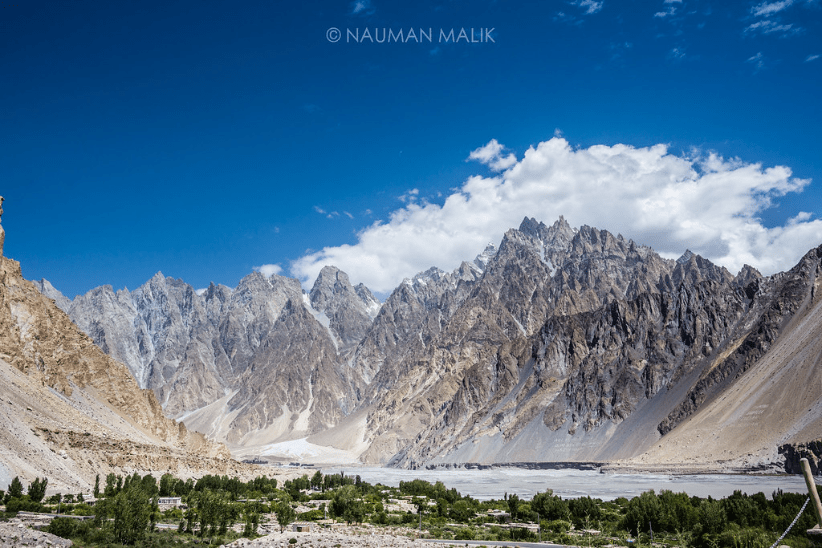
Passu: It is a small village alongside the Karakoram Highway in Upper Hunza, and is located along Hunza River. It is around 15km from Gulmit and around 150km north of Gilgit. The best thing about this is Passu glacier, which is very close to Passu and is a famous tourist hub. Furthermore, Passu Cones also known as Tupopdan lies to the north of the village.
(Passu cones) – photo credited to Nauman Malik
Sost: This town is also located in Gojal, Upper Hunza. The last town on Karakoram highway that meets the chinese border at Khunjerab is Sost. It is located 2,800 meters above sea level. This is an important business and trade hub because all transportation that passes through Pak-China border passes through Sost.
Tips to get the most out of Hunza Valley in a single day
If you have only a single day and want to get the most out of this gifted valley, you must allocate time to do the following 10 things that will ensure you that you have almost complete tour of Hunza valley:
Early in the morning, make Mount Rakaposhi view at sunrise – 6:00AM
Have a breakfast: – 7:00AM
Climb to Baltit Fort – 9:00AM
Must drink Huza stream water for longevity – 9:30AM
Get snacks of fresh apples and dry fruits from Hunza – 10:30AM
Enjoy boat riding on Attabad lake – 11:30AM
Have a good lunch with some rest – 1:30PM
Visit Altit Fort – 4:00PM
Visit Eagle’s Nest for sunset view – 5:00PM
Lastly, have a great dinner with the original food of Hunza Valley – 8:00PM
Are you planning to visit Hunza? Feel free to contact us! Also, follow us on social media for more handy information.



 Hunza Valley - The Jewel of Gilgit-Baltistan